
Legal disputes rarely start in courtrooms. They start in conversations — at the family table after a death, in a business deal gone wrong, or when someone receives a demand letter they don’t know how to read.
The problem isn’t usually bad intentions. It’s bad information. And in Tanzania, certain legal misunderstandings are so common that lawyers encounter them almost daily.
Here are the ones that matter most
“You can’t go to jail for debt.”
This is mostly true, and dangerously incomplete.
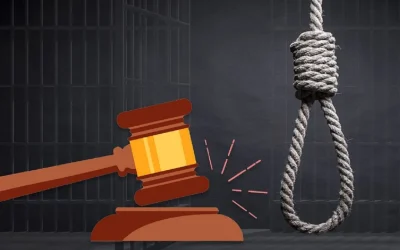
Debt by itself is not a criminal offence. But the legal process around debt recovery is where things get complicated. Once a court issues a repayment or enforcement order, failing to comply with that order is a separate matter entirely. At that point, you’re not being penalized for owing money — you’re being penalized for ignoring the court. The consequences can include imprisonment.
The distinction is subtle but it’s the difference between a civil inconvenience and a criminal consequence. Knowing it early can change how you respond to a demand.
“The estate administrator is now the owner.”
This misunderstanding breaks families.
When someone dies and a court appoints an administrator to manage their estate, that person does not become the owner of the deceased’s property. They are a custodian — responsible for collecting, protecting, and distributing assets to the rightful beneficiaries in accordance with the law.
Think of it like holding keys to a building you don’t own. You can open the door. You cannot sell the property.
Treating the administrator as owner — or allowing them to act like one — is how inheritance disputes escalate into long, expensive legal battles.
“A lawyer and an advocate are the same thing.”
They are not.
A lawyer is someone who has completed a law degree. An advocate is a lawyer who has gone further — completed professional legal training (through the Law School of Tanzania) and been formally admitted to practice before the courts.
The difference matters when you need actual representation. Not every law graduate can stand in front of a judge and argue your case.
A judge, for clarity, is neither. Judges are judicial officers appointed to preside over proceedings and deliver determinations — they don’t represent anyone.
Knowing who does what in the legal system helps you ask for the right person from the start.
“A lawyer wouldn’t defend someone who’s guilty.”
This is one of the most persistent myths around criminal law — and it misunderstands the entire purpose of a defence.
A defence lawyer’s job is not to decide guilt or innocence. That is the court’s responsibility. The lawyer’s job is to ensure that the accused receives a fair trial — that evidence is properly tested, that legal procedures are followed, and that the prosecution meets its burden of proving the case beyond reasonable doubt.
This isn’t a technicality. It is the foundation of any justice system worth the name. Everyone is entitled to legal representation, regardless of what they are accused of.
“Civil cases and criminal cases are basically the same.”
They’re not, and conflating them leads people to hire the wrong help or approach disputes with the wrong expectations.
Criminal law deals with offences against the state — theft, fraud, assault. The government prosecutes. Penalties can include fines or imprisonment.
Civil law deals with disputes between private parties — contracts, property, employment, financial claims. The goal is resolution or compensation, not punishment.
The strategies, standards of proof, and possible outcomes are fundamentally different. If you walk into a civil dispute expecting it to unfold like a criminal case (or vice versa), you will be caught off guard.
Why this matters beyond legal literacy
Most people who find themselves in difficult legal situations didn’t set out to break the law. They made decisions based on assumptions — about what an administrator can do, about what a court order actually means, about whether they needed a lawyer or an advocate.
Accurate legal information, sought early, is rarely expensive. The consequences of acting without it often are.
At LawCraft Attorneys, we work with individuals and businesses in Arusha who need legal guidance that’s clear, practical, and honest about what the law actually says — not what they’ve heard it says.
If you have a legal question you’ve been unsure how to ask, that’s usually the best place to start.
LawCraft Attorneys | Arusha, Tanzania